
- What to Do With Pumpkins After Halloween: 5 Safe Options - October 23, 2026
- How Cold Can Broccoli Tolerate? 5 Temperatures to Protect It - October 22, 2026
- When to Stop Mowing Lawn in Fall: The Simple 50F Rule - October 21, 2026
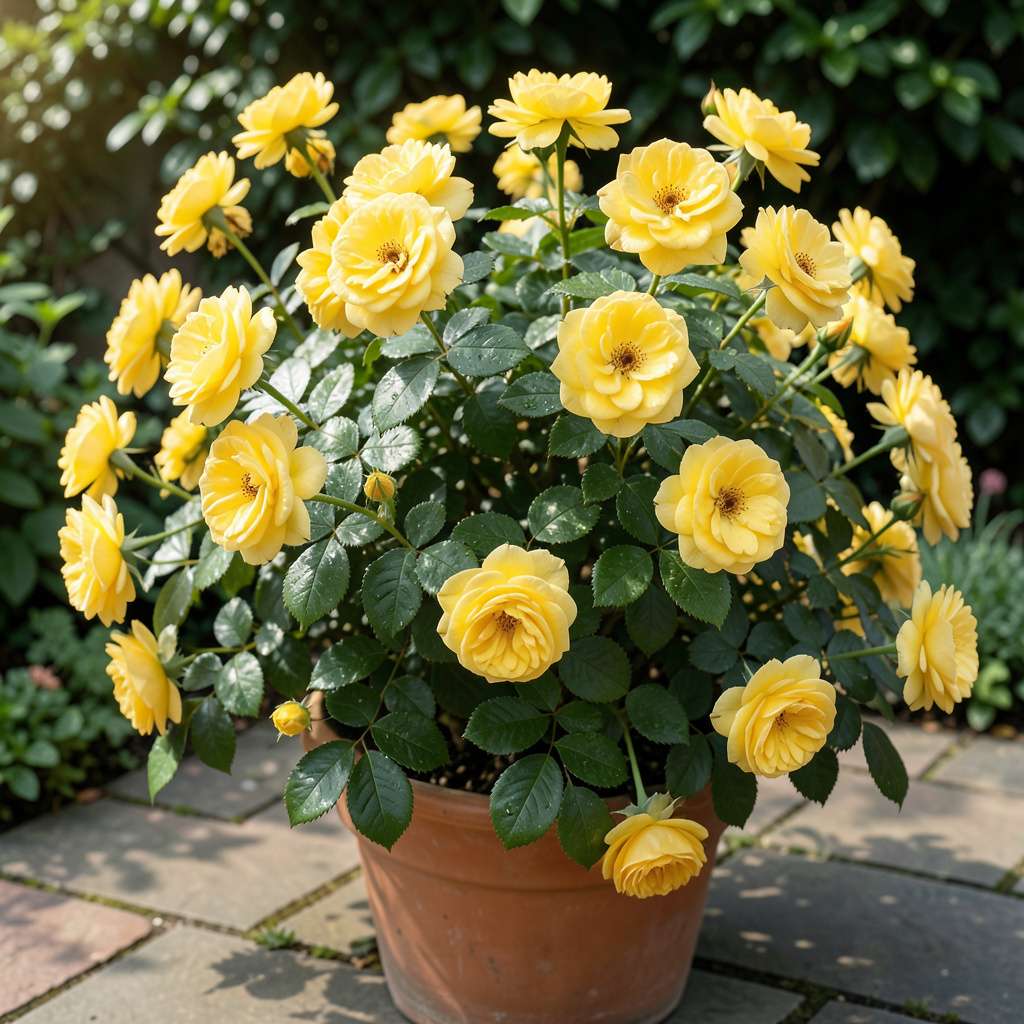
Sunny yellow blooms from spring to frost with almost zero fuss. I planted my first knockout rose after killing three fussy hybrids, and it laughed at my neglect while the others withered.
This is the plant that proves you don’t need a green thumb—just a sunny spot and occasional water. It shrugs off heat, humidity, and most diseases that wipe out other roses.
You’ll get nonstop flowers on a compact shrub that stays neat without constant pruning. My neighbors stop to ask what secret I’m using, and I just smile.
Works in borders, containers, or that awkward dry spot where nothing else survives. Here’s how to make it thrive.
Why Leaves Turn Yellow
The vibrant blooms of your knockout roses can lose their luster when leaves start yellowing. This discoloration often signals underlying issues that disrupt the plant’s health. Below are the most common causes, explained with actionable insights.
💡 Nutrient Deficiency
Yellowing leaves, especially between veins, often indicate a lack of iron or magnesium. Knockout roses thrive in slightly acidic soil (pH 6.0–6.5). When soil pH rises, these nutrients become less available. Test your soil and amend with chelated iron or Epsom salts (for magnesium) to restore balance.
🌡️ Overwatering or Poor Drainage
Root asphyxiation from soggy soil prevents nutrient uptake, leading to yellow foliage. Knockout roses prefer well-draining soil. If your bush sits in heavy clay or a low-lying area, mix in compost or perlite to improve drainage. Water only when the top inch of soil is dry.
☀️ Environmental Stress
Extreme heat or sudden temperature swings can stress the plant, causing leaves to yellow and drop. Provide afternoon shade in scorching climates and mulch the base to retain moisture. In cooler regions, protect the bush from late frosts with frost cloth.
🐜 Pest and Disease Pressure
Spider mites, aphids, or fungal diseases like black spot can sap the plant’s vigor, resulting in yellowed leaves. Inspect the undersides of leaves for pests and treat with neem oil or insecticidal soap. For fungi, apply a copper-based fungicide and improve air circulation by pruning dense growth.
How to Solve It
Even the hardy yellow knockout rose bush can run into trouble, but most issues are easy to fix with a little know-how. Below are the most common problems and their step-by-step solutions, plus tips to keep your shrub thriving. 🌹
🍃 Yellowing Leaves (Chlorosis)
Fix: Test your soil pH (aim for 6.0–6.5). If it’s too high, amend with sulfur or aluminum sulfate to lower it. For iron deficiency, apply a chelated iron supplement directly to the soil. Water deeply after treatment to help absorption.
Prevention: Use a balanced, acid-loving plant fertilizer in early spring. Avoid overwatering, which can leach nutrients. 💡
🐜 Pest Infestations (Aphids, Japanese Beetles)
Fix: Blast aphids off with a strong water spray early in the day. For Japanese beetles, handpick them (drop in soapy water) or use neem oil or pyrethrin-based sprays at dusk. Severe cases may need beneficial nematodes for larvae in the soil.
Prevention: Attract natural predators like ladybugs by planting companion flowers (e.g., marigolds or yarrow). Keep the area free of debris where pests hide. ✨
⚠️ Black Spot or Powdery Mildew
Fix: Remove infected leaves immediately and do not compost them. Apply a fungicide (copper or sulfur-based) or a DIY mix of 1 tsp baking soda + 1 quart water + a drop of dish soap. Spray every 7–10 days until the issue clears.
Prevention: Water at the base (not overhead) to keep foliage dry. Space plants for airflow, and prune crowded branches. 🌡️
💧 Wilting or Drooping
Fix: Check soil moisture—stick your finger 2 inches deep. If dry, water thoroughly (1–1.5 inches per week). If the soil is soggy, improve drainage by amending with compost or sand. For root rot, trim affected roots and repot in fresh, well-draining soil.
Prevention: Mulch with 2–3 inches of organic matter to retain moisture without waterlogging. Water in the morning to reduce evaporation. 🎯
🌱 Poor Blooming
Fix: Prune spent blooms (deadhead) regularly to encourage new flowers. If the plant is overgrown, do a light trim (no more than ⅓ of the height) in early spring. Fertilize with a high-phosphorus bloom booster (e.g., 10-20-10) every 4–6 weeks during growing season.
Prevention: Ensure the bush gets 6+ hours of sunlight daily. Avoid high-nitrogen fertilizers, which promote leafy growth over flowers. ✨
Frequently Asked Questions
How often should I water it?
Water deeply 1-2 times per week, allowing the top inch of soil to dry between waterings. During extreme heat, increase to 3 times weekly. Always water at the base to keep foliage dry.
Does it need full sun?
Yes, it thrives in 6+ hours of direct sunlight daily. While it tolerates partial shade, full sun produces the most vibrant blooms. In hot climates, afternoon shade prevents leaf scorch.
When is the best time to prune?
Prune in early spring before new growth starts, removing dead or weak canes. Light trimming after each bloom cycle encourages continuous flowering. Never prune after mid-August in cold climates.
Why are my leaves turning yellow?
This often signals overwatering or nutrient deficiency. Test soil pH (aim for 6.0-6.5) and adjust with sulfur or iron supplements. Ensure good drainage to prevent root issues.