

- What to Do With Pumpkins After Halloween: 5 Safe Options - October 23, 2026
- How Cold Can Broccoli Tolerate? 5 Temperatures to Protect It - October 22, 2026
- When to Stop Mowing Lawn in Fall: The Simple 50F Rule - October 21, 2026
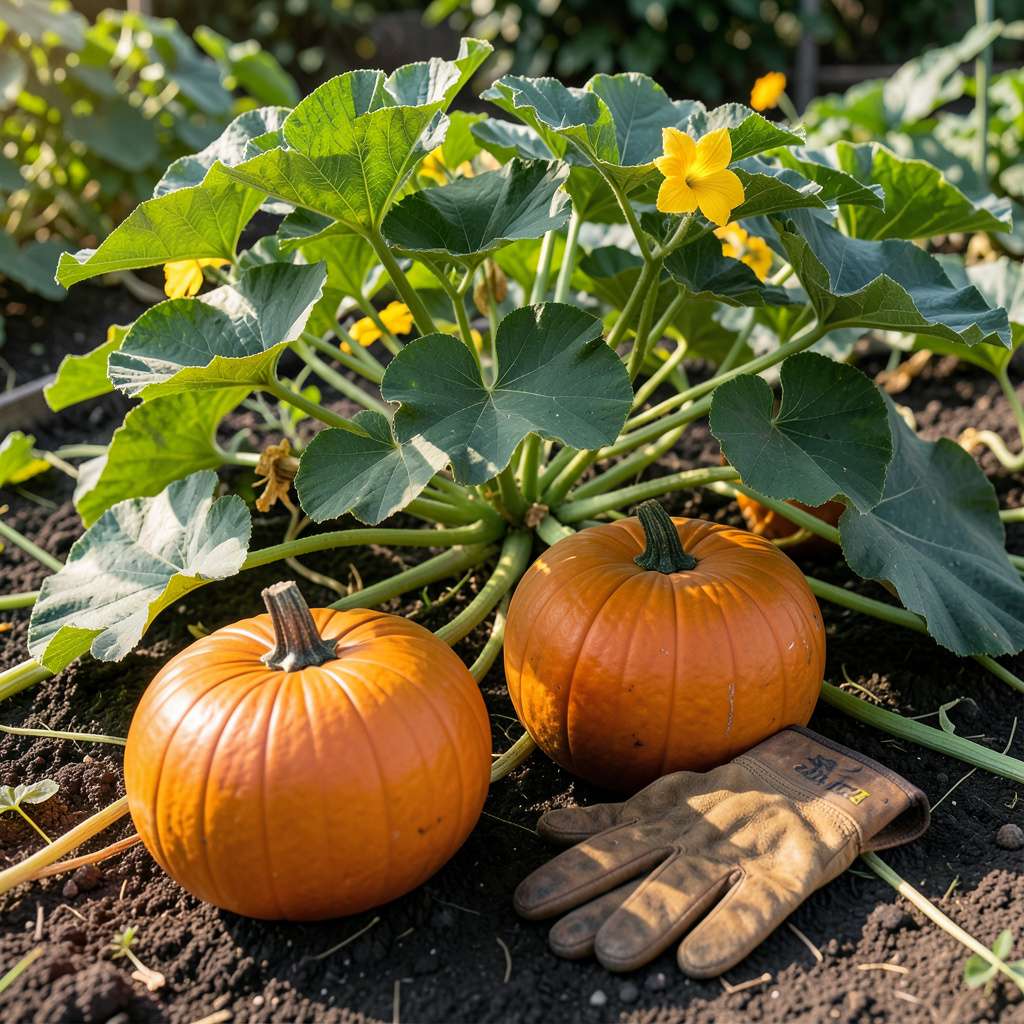
Illinois consistently leads U.S. pumpkin production, accounting for over 90% of the country’s commercial crop, primarily in its northern counties.
This dominance stems from the state’s rich, well-drained soil and ideal Midwestern climate, which create perfect growing conditions. 🌟 I’ve noticed that most commercial farms are concentrated near Nekoma and Morton, where large processors like Libby’s have established deep roots in the industry.
What’s particularly fascinating is how these conditions allow for high-yield harvests of processing pumpkins, which are then turned into canned puree and other products that stock supermarket shelves nationwide.
💡 In This Article
- Why Illinois Dominates Pumpkin Farming
- Top Pumpkin Varieties Grown in Illinois
Why Illinois Dominates Pumpkin Farming
The state’s success starts with its famous Drummer silty clay loam soil, a nutrient-rich, well-draining type that retains moisture without waterlogging. This soil type covers millions of acres in Illinois, providing the ideal foundation for pumpkin vines to spread and thrive.
The state’s flat topography also allows for large-scale mechanized farming, which is crucial for commercial operations.
Climate plays an equally important role. Illinois enjoys warm summers with 75-85°F temperatures during the growing season, paired with consistent rainfall that averages 36-40 inches annually. These conditions mirror the native environment of pumpkins, which originated in warm, temperate regions.
The long, frost-free growing season—typically 180-200 days—gives vines ample time to mature and produce high yields. ✨
The state’s dominance is also tied to its historical farming infrastructure. Illinois has been a leader in agricultural innovation since the 19th century, with early adoption of crop rotation practices that maintain soil fertility. This legacy continues today with farms specializing in pumpkin production, often dedicating 500-1,000 acres per operation to the crop. 🔥
Major food processors have further cemented Illinois’s position. Companies like Libby’s, which operates a massive canning facility in Morton, contract directly with local farmers. This guarantees a steady market for pumpkins, reducing risk and encouraging large-scale production. The proximity to processing plants also cuts transportation costs, making Illinois pumpkins more competitive nationally.
Finally, the state’s central location provides logistical advantages. Illinois sits at the crossroads of major interstates and rail lines, allowing pumpkins to reach national markets within 24-48 hours. This distribution efficiency ensures freshness and minimizes spoilage, a critical factor for both whole pumpkins and processed products. 💫