

- What to Do With Pumpkins After Halloween: 5 Safe Options - October 23, 2026
- How Cold Can Broccoli Tolerate? 5 Temperatures to Protect It - October 22, 2026
- When to Stop Mowing Lawn in Fall: The Simple 50F Rule - October 21, 2026
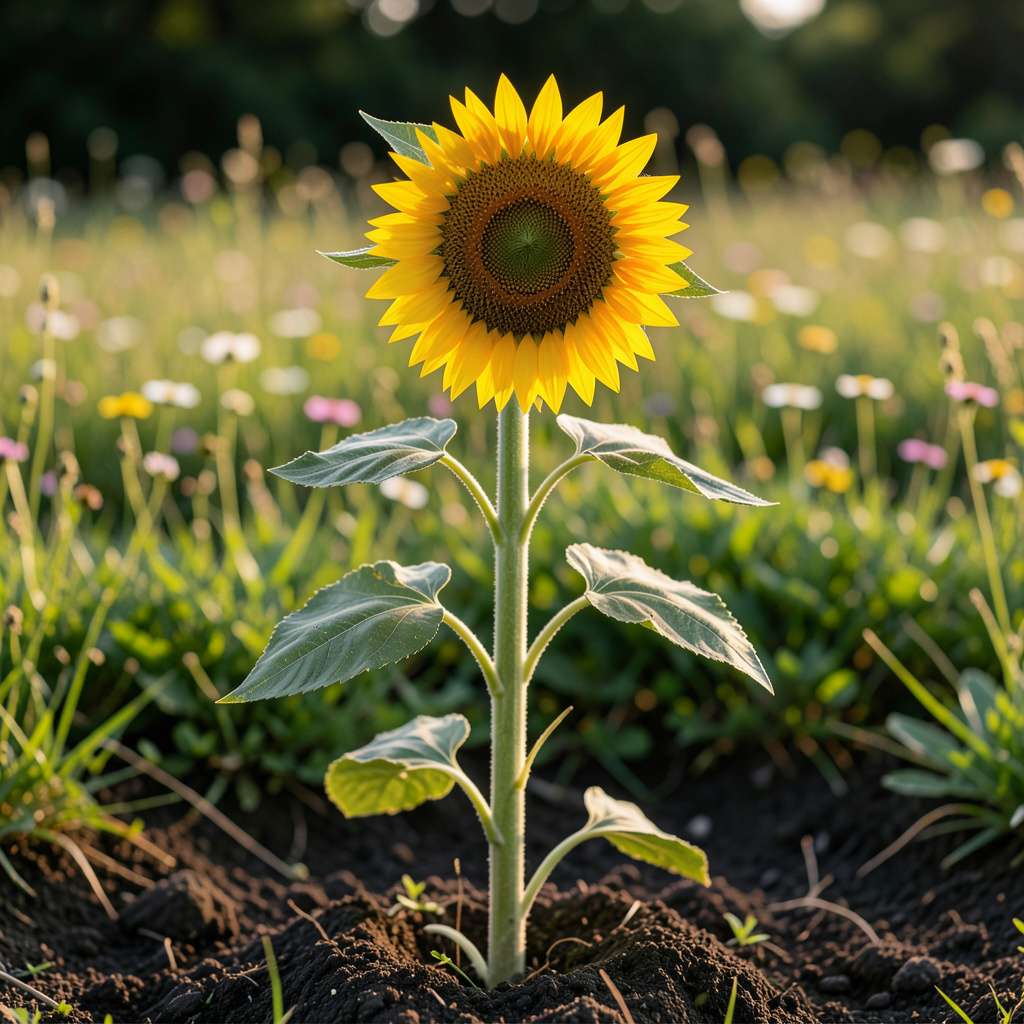
I remember the first time I saw a Sunflower towering over our garden fence – it was like nature’s own skyscraper. These golden giants can transform any backyard into something extraordinary.
From dwarf varieties to record-breakers, the height range is surprising. I’ll share what I’ve learned about helping these Sunflower reach their full potential, and trust me, the results are impressive.


Maximum Sunflower Height: Record-Breaking Growth Potential
I’ve seen sunflowers reach heights that defy belief, turning gardens into living skylines. The standard varieties typically grow 8-12 feet tall, but that’s just the beginning of their potential.
With ideal conditions and the right giant cultivars, these plants can push beyond 12 feet. The world record stands at an incredible 30 feet, achieved with specialized care and perfect growing environments.
| Sunflower Type | Height Range |
| Dwarf | 2-3 feet |
| Semi-Dwarf | 4-6 feet |
| Standard | 8-12 feet |
| Giant | 12-16 feet |
| Record Holders | 20-30 feet |
The Russian Giant and Mammoth varieties are famous for their towering heights, often reaching 12-16 feet. These giants need rich soil and plenty of space to stretch their roots.
For comparison, dwarf sunflowers like Teddy Bear stay compact at 2-3 feet, perfect for containers. Meanwhile, semi-dwarf types like Autumn Beauty hit 4-6 feet with multiple blooms.
I’ve found that soil quality makes a huge difference in height. Deep, well-draining soil with compost gives sunflowers the foundation they need to grow tall and strong.
Sunlight is another critical factor. These plants thrive on 6-8 hours of direct sun daily. Without enough light, they’ll stretch weakly toward the sun instead of growing sturdy and tall.
In my experience, the tallest sunflowers come from seeds planted in late spring after the last frost. This timing gives them the entire summer to reach their maximum height before fall arrives.
Remember that wind protection becomes important with taller varieties. I use stakes or trellises to support stems that might otherwise snap in strong winds.
5 Proven Tips to Grow Taller Sunflowers in Your Garden
I’ve discovered that sunflowers can reach their maximum height with just a few key practices. The right soil preparation makes all the difference in helping these giants stretch toward the sky.
Deep soil cultivation is my first recommendation. I always loosen the earth to 12-18 inches deep before planting, as this allows roots to expand freely and support taller growth.
- Rich soil mix with compost
- Full sun exposure (6-8 hours)
- Consistent watering at base
- Wind protection with stakes
- Proper spacing (12-18 inches)
I always amend the soil with compost or well-rotted manure before planting. This provides the nutrients sunflowers need for robust growth, especially the giant varieties.
Watering deeply at the base encourages strong root development. I water my sunflowers once a week with a deep soak, making sure the moisture reaches the root zone.
Sunlight is non-negotiable for height. I position my sunflowers where they’ll get at least 6 hours of direct sun daily, preferably more for the tallest varieties.
I’ve learned that proper spacing prevents competition for resources. For giant sunflowers, I plant seeds 12-18 inches apart to give each plant room to grow to its full potential.
Finally, I use stakes or trellises for support. Even the strongest sunflower stems can snap in windy conditions, so I tie them gently to supports as they grow.
Common Mistakes That Stunt Sunflower Growth
I’ve seen many gardeners unknowingly limit their sunflowers’ height potential. The most common mistake is overcrowding plants, which forces them to compete for resources and stunts growth.
Another frequent issue is poor soil preparation. Sunflowers need nutrient-rich soil to grow tall, and planting in compacted or depleted earth will result in shorter, weaker stems.
Planting in shady spots or giving insufficient water will leave your sunflowers struggling. Also avoid over-fertilizing, which can cause weak stem growth.
Inadequate watering is another culprit. While sunflowers are drought-tolerant once established, they need consistent moisture during their growth phase to reach maximum height.
I’ve also noticed that planting too early can be problematic. Sunflower seeds need warm soil to germinate properly, and planting before the last frost can set back their growth significantly. 🌻
Frequently Asked Questions
What’s the tallest sunflower variety I can grow at home?
Russian Giant and Mammoth varieties typically reach 12-16 feet with proper care. For record attempts, specialized cultivars in ideal conditions can exceed 20 feet.
How much space do tall sunflowers need?
Plant giant varieties 12-18 inches apart to prevent competition. Each needs room for root expansion and airflow to support taller growth.
Do taller sunflowers need extra support?
Yes! Use stakes or trellises for varieties over 8 feet tall. Wind can snap stems, so secure them gently as they grow.
Can I grow tall sunflowers in containers?
Most giant varieties need ground space, but semi-dwarf types (4-6 feet) thrive in large pots with deep soil.