
- What to Do With Pumpkins After Halloween: 5 Safe Options - October 23, 2026
- How Cold Can Broccoli Tolerate? 5 Temperatures to Protect It - October 22, 2026
- When to Stop Mowing Lawn in Fall: The Simple 50F Rule - October 21, 2026
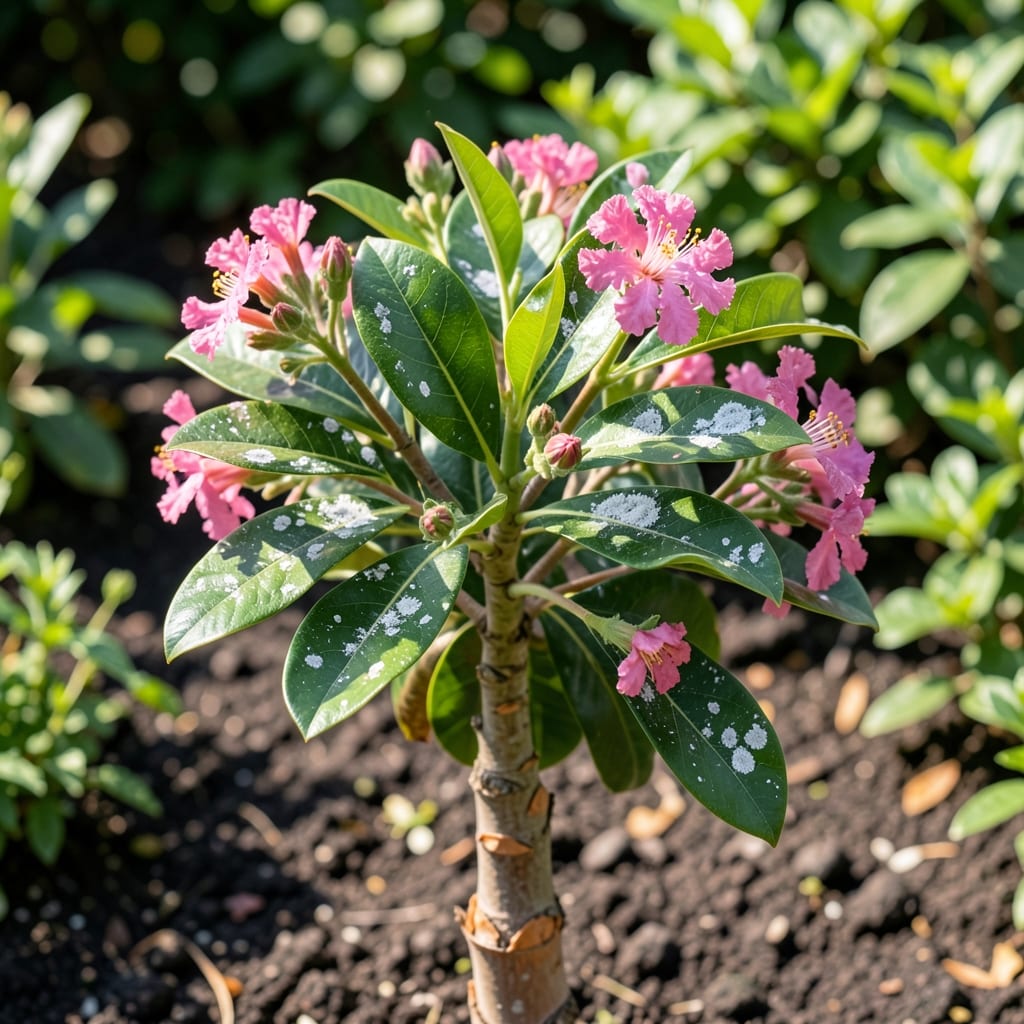
White powdery spots on your crepe myrtle leaves are a sure sign of trouble. I first noticed this on my own plants after a particularly wet spring, and it spread faster than I expected.
This fungal issue thrives in humid conditions but can be managed with proper air circulation and timely treatment. The key is catching it early before it affects the plant’s vigor and blooming potential.
What Triggers the Fungus
White fungus on crepe myrtles often stems from environmental and cultural factors. Below are the primary causes, explained with actionable insights.
🌧️ Excess Moisture
Prolonged high humidity or poor drainage creates ideal conditions for fungal growth. Overwatering or heavy rainfall can saturate the soil, while dense canopies trap moisture on leaves and stems. Powdery mildew, a common white fungus, thrives in these damp environments.
🌳 Poor Air Circulation
Crepe myrtles planted too closely together or pruned improperly restrict airflow. Stagnant air prevents foliage from drying quickly, fostering fungal spores. Thin out branches to improve ventilation and reduce infection risk.
🍃 Infected Debris
Fallen leaves or pruned material left under the tree can harbor fungal spores. These spores overwinter in debris and reinfect the plant in spring. Regularly remove and destroy infected plant matter to break the cycle.
🌡️ Temperature Fluctuations
Cool nights (50–70°F) paired with warm days create stress for crepe myrtles, weakening their defenses. This temperature range is prime for Erysiphe fungi, which cause white, powdery coatings. Mulching helps stabilize soil temperature and reduce stress.
💡 Nutrient Imbalance
Excess nitrogen promotes lush, tender growth—highly susceptible to fungal attacks. Balance fertilization with phosphorus and potassium to strengthen plant resilience. A soil test can guide precise adjustments.
How To Treat White Fungus
Dealing with white fungus on your crepe myrtle? Here’s how to tackle it effectively, depending on the cause:
🍃 Powdery Mildew
Fix: Mix 1 tablespoon of baking soda, 1 teaspoon of dish soap, and 1 gallon of water. Spray this solution on affected leaves and branches weekly until the fungus clears. For severe cases, use neem oil (follow label instructions) as a natural fungicide.
Prevention: Improve air circulation by pruning dense foliage. Water the base of the plant (not the leaves) in the morning to allow quick drying. 💡 Avoid overhead watering!
🌧️ Excess Moisture
Fix: Reduce watering frequency and ensure the soil drains well. If the plant is in a pot, move it to a sunnier spot. For in-ground plants, amend the soil with compost to improve drainage.
Prevention: Use a moisture meter to check soil conditions before watering. Mulch around the base (but not touching the trunk) to regulate soil moisture. ✨
🌱 Poor Airflow
Fix: Thin out crowded branches with clean, sharp pruners (sterilize with rubbing alcohol between cuts). Remove any fallen leaves or debris around the base to reduce fungal spores.
Prevention: Space crepe myrtles at least 5–10 feet apart when planting. Regularly rake up leaf litter to prevent spore buildup. 🎯
🛡️ General Maintenance
Fix: Apply a copper-based fungicide (organic option) every 2–3 weeks during the growing season if fungus persists. Always follow product instructions carefully.
Prevention: Keep your crepe myrtle healthy with balanced fertilizer (avoid over-fertilizing with nitrogen, which promotes tender growth). Inspect plants weekly for early signs of fungus. 🌡️
Consistency is key—stick with these steps, and your crepe myrtle will bounce back with vibrant, fungus-free foliage!
Frequently Asked Questions
Will the white fungus kill my plant?
If left untreated, it can weaken your crepe myrtle and reduce blooming. However, with prompt treatment using fungicides or home remedies like neem oil, most plants recover fully within 2-3 weeks.
How often should I apply treatment?
For baking soda or neem oil sprays, apply every 7-10 days until symptoms disappear. For copper fungicides, follow the label’s 2-3 week interval. Always treat in the morning for best results.
Can I prevent this from happening again?
Yes! Improve air circulation by spacing plants 5-10 feet apart, water at the base only, and remove fallen leaves promptly. These simple steps significantly reduce recurrence risk.