

Imagine having a little piece of the tropical rainforest in your living room. That’s what it’s like to own a prayer plant, particularly the Maranta leuconeura, often known as the Calathea or Kerchoveana. These gorgeous plants, originally from the rainforests of Brazil and South America, bring an exotic charm to any space with their striking foliage.
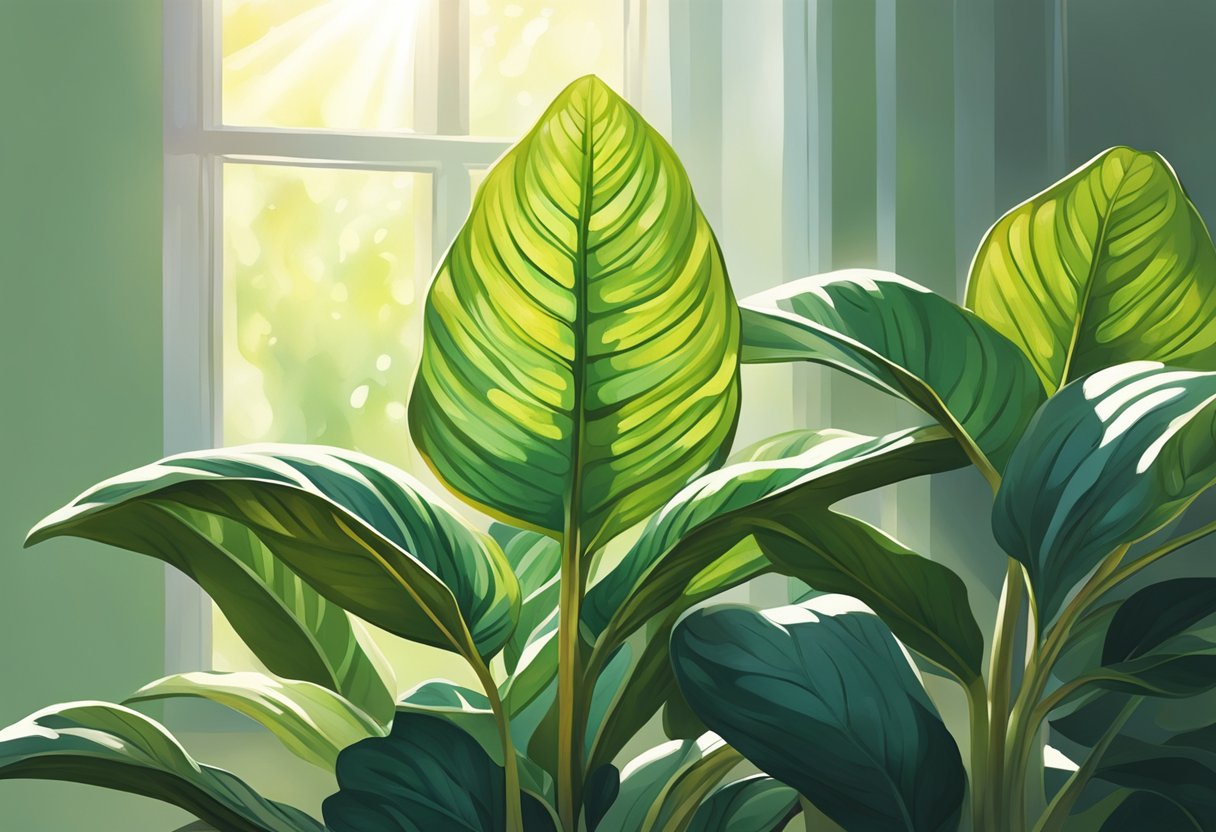
Prayer plants are tropical perennials, meaning they thrive year-round and don’t lose their leaves. Now, the main thing to remember is that these plants prefer medium to bright, indirect light. If they don’t get enough light, their beautiful patterns may not be as vibrant. On the flip side, too much direct sunlight can scorch their leaves.
In my own experience, placing them a few feet away from a south-facing window with a sheer curtain works wonders. This way, they get plenty of light without the harsh rays. These adaptable plants can also manage in lower light conditions but might need more time to grow. If you’ve got a semi-shady spot, your prayer plant will be quite content.
Prayer Plant Light Requirements
Prayer plants need bright, indirect light to thrive. Avoid direct sunlight. It’s too harsh and can scorch their leaves.
Prayer plants come from tropical rainforests where they get filtered sunlight. So, placing them where they can get similar light works best.
Near east or south-facing windows is ideal. If the light is too direct, sheer curtains can help. I use them to diffuse the sunlight, just like in nature.
Use a light meter if you want to be precise. Prayer plants do well with 12 to 14 hours of light per day. If the room doesn’t get enough natural light, you can use artificial grow lights.
The type of prayer plant matters too. The red prayer plant, for example, has vibrant leaf patterns that show best with the right light. On the other hand, the green prayer plant might tolerate slightly lower light levels.
Here’s a handy tip: Rotate the plant regularly. This ensures all sides get equal light and grow evenly.
If you notice leaves losing their color, it might mean they need more light. Conversely, if the leaves look bleached or scorched, they’re getting too much light.
Keep an eye on the leaves to make sure they don’t get scorched by too much sun.
Providing the right light ensures your prayer plant stays healthy and happy. 🌱
Best Light Conditions for Prayer Plants
Prayer plants need specific light conditions to thrive and maintain their vibrant colors. Let’s explore the amount of light they need and whether indirect or direct light works best.
Amount of Light
Prayer plants grow well with medium to bright indirect light. These plants love 12 to 14 hours of light daily 🌱. Too little light may fade the beautiful patterns on their leaves.
🔆 Prayer plants thrive with bright indirect light.
They should be placed near windows that don’t receive direct sun rays, like a north or east-facing window. Fitting light meters help measure if they receive enough light. Fluorescent lights or grow lights are also good for supplementing light.
Indirect vs Direct Light
Indirect light is best for prayer plants. Direct sunlight can scorch their leaves and cause them to curl or turn brown. Imagine sitting on a beach all day without sunscreen—your skin wouldn’t like it, and neither does your plant with too much direct light!
I’ve found that placing my prayer plant a few feet away from a bright window, with sheer curtains, works wonders. This way, it gets the light it needs without being too harsh 🌞.
💥 Protect them from intense direct sunlight.
Grow lights with a broad spectrum can be a good alternative if natural light is insufficient. They can mimic the ideal light conditions and ensure healthy growth all year round.
Signs of Too Much Light
Prayer plants are sensitive to their environment. Knowing the signs of too much light is key to keeping them happy. Here are the main indicators:
Prayer plants show signs of stress when exposed to too much direct sun. Look for sunburn, crispy edges, and loss of color.
Sunburn: One major sign of excessive sunlight is sunburn. Leaves start showing brown or bleached spots, especially on the foliage closest to the window. It’s like how our skin reacts to too much sun exposure.
💥 Direct sunlight can be too harsh for delicate plants.
Dry, Crispy Edges: If your prayer plant’s leaves have dry or crispy edges, it might be taking in more light than it can handle. This can stress the plant and make it look less lively.
🌱 Imagine your plant getting sunburned!
Loss of Variegation: For prayer plants with variegated leaves, too much light can cause the unique patterns and colors to fade. The vibrant greens and reds might turn a dull green.
🌷 Moving your plant away from direct sunlight and placing it in bright, indirect light can solve many of these issues. Be mindful of where the sunlight falls during different times of the day.
| Symptom | Possible Cause |
|---|---|
| Brown/Bleached Spots | Direct Sunlight |
| Crispy Edges | Too Much Light |
| Faded Colors | Excessive Sun |
Energy Drain: With too much light, your plant might use too much energy to protect itself, leaving less energy for growth. This can make it look sad and weak.
Taking these signs seriously can help you give your prayer plant the best care.
Signs of Insufficient Light
You’ll notice some key signs if your prayer plant isn’t getting enough light.
Legginess
One sign is legginess. The stems stretch out, looking long and spindly. They try to reach the light source, which is farther away.
Faded Leaves
Another clue is the leaves. They lose their vibrant colors and become dull. They might even get a bit pale or washed out.
Stunted Growth
Low light can also lead to stunted growth. The plant just doesn’t grow as fast or as full. New growth might come in slower and weaker than usual.
Leaf Spot
Leaf spots are another issue. The leaves might develop small, dark spots. This can be more common if fluoride or other chemicals in the water irritate the plant.
Weak Foliage
Weak leaves are also a good sign. They feel softer and might droop more than usual. If you touch the leaves, they might feel flimsy and weak.
Root Rot
If the overall health of the plant declines, it could lead to other problems, like root rot. This happens when poor light affects the plant’s ability to use water properly.
Low Humidity
Low light can sometimes be paired with other issues like low humidity. Prayer plants love humidity, and without enough light, they might struggle more with dry air.
Drafts
Watch out for drafts, too. They don’t directly relate to light, but low light and cold drafts can double the troubles for your plant. Keep them away from windows or doors where cold air sneaks in.
Mealybugs
Finally, the weakened plant might attract unwanted guests like mealybugs. These pests are more likely to settle on plants already stressed by less-than-ideal conditions.
Keep these points in mind, and you’ll be able to spot when your prayer plant needs a bit more light!
Adjusting Light Exposure
Making sure your prayer plant gets the right light is essential. I’ll explain how to use artificial lights and the best placement near windows, so your plant stays healthy and vibrant.
Using Artificial Lights
When natural light is scarce, especially during winter months, artificial lights can help your prayer plant thrive. I use fluorescent and LED grow lights because they mimic sunlight well.
Timer settings are key. My lights are on for 8-12 hours a day to simulate natural light cycles. Too much light can scorch the leaves, while too little results in leggy growth and color loss.
Remember to tweak light intensity based on your plant’s response. If leaves start curling or getting brown tips, adjust the distance or duration.
That way, your prayer plant receives optimal conditions, even when the sun’s not shining.
Positioning Near Windows
Prayer plants love bright, indirect light. I find the best spots near south or east-facing windows, which provide the right amount without direct sun that could harm the leaves.
Sheer curtains can diffuse strong light, making it gentler on the plant. I avoid west-facing windows in the afternoon to prevent leaf burn.
Monitoring seasonal light changes is also important. In summer, I pull back the plant a bit, as light is more intense. In contrast, during winter, closer positioning works well. I even use pebble trays to increase humidity, enhancing my plant’s health.
By carefully positioning your prayer plant near windows, you’ll ensure it gets the gentle, consistent light it needs.
Conclusion
I love caring for Prayer Plants, even though they can be a bit picky about light. 🌱
Prayer Plants need bright, indirect sunlight. Too much direct sun can scorch the leaves. Too little light can make the colors fade.
Moving my Prayer Plants around the house has helped me find the perfect spot. Near a south or east-facing window with sheer curtains is ideal.
Using a light meter can help measure what’s going on.
Quick Tips:
- Avoid direct sunlight. 🌞
- Check the plant’s position if it’s getting too much or too little light.
Signs I’ve noticed when light isn’t right:
- Too Much Light: Leaves turn brown and crispy.
- Too Little Light: Colors become dull.
My pro tip: If the leaves are folding in all day, that’s a sign they need more light. Find a better spot and make small adjustments. It’s kind of like moving furniture until it feels just right!
Remember, balance is key. Too much or too little light, and your plant throws a fit. Think of it as a picky roommate who needs perfect lighting to feel at home.
Who knew getting the right light could be a balancing act?
See Also
Prayer Plant Overwatered: Signs and Solutions for Healthy Growth
Sometimes, our beloved houseplants, like the prayer plant, can end up drinking more than they should.