
- How to Transplant a Jade Plant: Weeknight-Ready Root Success - June 20, 2026
- How to Conserve Flowers: Pro Tips for Long-Lasting Blooms - June 20, 2026
- Do Praying Mantis Eat Butterflies: Unveiling Predatory Behaviors in Your Garden - June 20, 2026
Ever wondered if your gardenias are secretly masquerading as Jack’s beanstalk? 🌱 Worry not—I’m here to spill the beans on just how grand these evergreen shrubs can grow.
Gardenias typically reach a height of three to six feet, much like the standout varieties ‘August Beauty’ and ‘Golden Magic’. It’s fascinating to watch these Rubiaceae family members stretch and spread across your garden, ensuring you never forget they’re in charge.
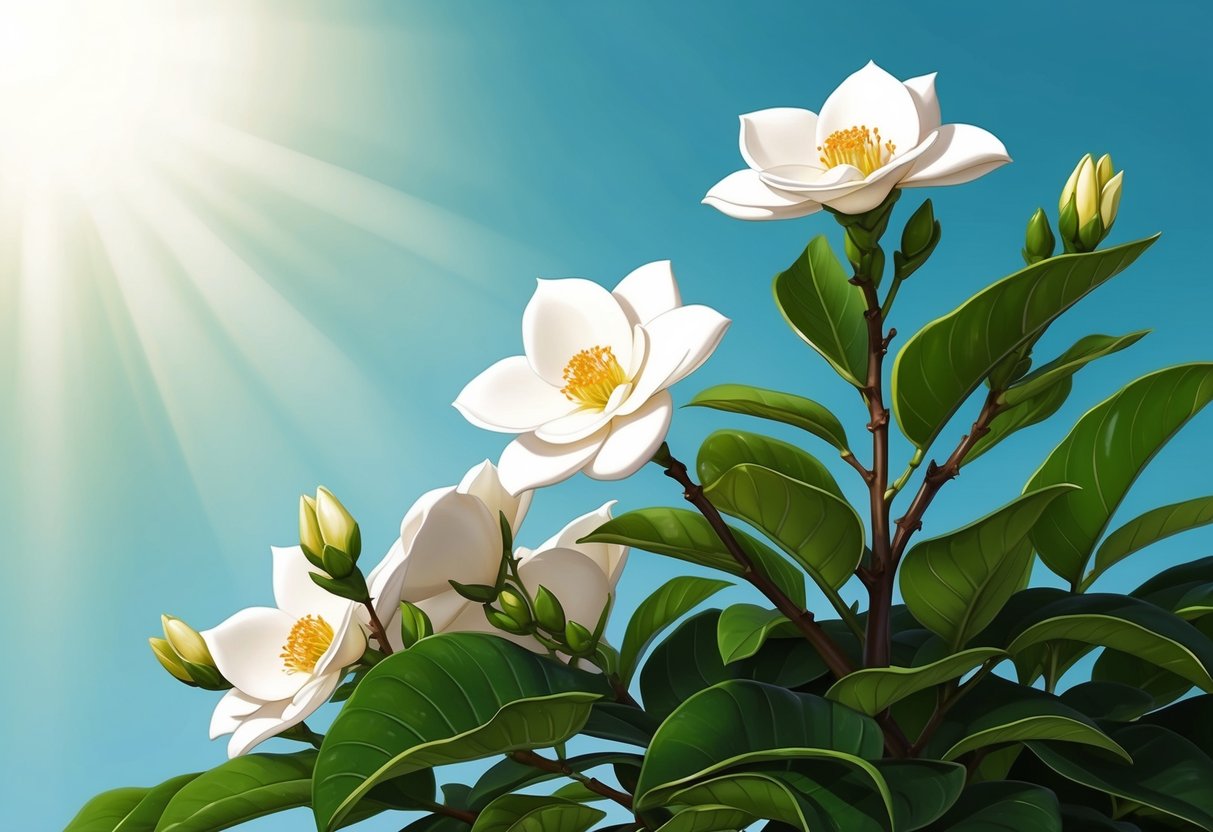
There was a time when I attempted to weave a tale to these plants, hoping they’d magically sprout taller. Spoiler alert: it didn’t work, but they did grow into lush, flower-laden beauties over time. Gardenia jasminoides, with its fragrant blossoms and impressive stature, seems to follow its own rules. The experience of nurturing them is akin to watching a classic play unfold—full of surprises and that evergreen magic.
Did I mention the delight of decorating your garden with these wonders? 🏡 Whether you’re a seasoned gardener or just dabbling, gardenias provide a stellar show.
From budding in spring to fully flowering through the summer, they captivate any casual bystander.
So, let’s explore more about these floral stars and find out how you can create a similar spectacle right outside your window.
Growing Gardenias Insights
Gardenias thrive like the belle of the southern garden ball in warm, humid climates. With their striking white blooms and glossy leaves, they make a statement.
Here, I’ll share the secrets to keeping them in tiptop shape, focusing on the ideal conditions, and the love and care they need when first setting roots.
Optimal Conditions for Growth
When it comes to making gardenias happy, think warm and cozy! They’re tropical soul-searchers, flourishing best when they’re basking in sunlight—give them a spot with full morning sun and a hint of afternoon shade. Too much hot afternoon sun can be a bit scorching.
In terms of temperature, they prefer sunny dispositions ranging from 60-75°F (15-24°C). Humidity? Definitely! Like a spa day, a bit of extra moisture in the air can do wonders, helping them burst into bloom. 🌸
Speaking of soil, gardenias like it just right—acidic, with a pH between 5.0 and 6.5. Well-draining soil is a must to prevent their roots from feeling too soggy, which makes them sulk. Who likes cold feet, right?
Planting and Initial Care
Planting gardenias calls for a nurturing touch. Start with the right location—somewhere safe from drafts but sunny enough to keep them basking gloriously.
When planting, I always make sure the root ball is level with the soil surface and spaced for good airflow. 🌱
Keep their thirst quenched by watering regularly, especially during dry spells. It helps to check soil moisture by sticking a finger a couple of inches down—if it’s dry, it’s time for a drink!
An early nutrition boost gives them a head start. Using an acid-forming fertilizer suited for acid-lovers like azaleas helps keep them at their blooming best.
Regular check-ins and a little bit of TLC keep these beauties in bloom. 🌷
Maintenance and Care
Gardenias thrive when provided with the right care and maintenance. Well-drained soil, consistent watering without overwatering, and periodic fertilization are crucial. Pruning helps manage growth, ensuring gardenias remain healthy and vibrant.
Proper Watering and Mulching Techniques
Consistent watering is crucial for gardenias. I aim to keep the soil evenly moist, as these evergreen beauties don’t like to dry out or sit in soggy soil. 🐌
I usually water deeply once a week, adjusting based on weather and other conditions. Good drainage is essential, so I make sure that pots have drainage holes or garden soil drains well.
Avoid overwatering. No gardenia enjoys waterlogged roots, as they need proper air circulation.
Adding a layer of mulch helps in retaining soil moisture and keeps roots cool. It also reduces the frequency of watering. 🌱
I’ve found that an organic mulch layer like bark or pine straw works wonders, slowly breaking down and enriching the soil with nutrients.
Effective Fertilization Strategies
Gardenias are acid-loving plants; they crave specific nutrients. 🌷
I fertilize these perennials with an acid-forming fertilizer every 2-4 weeks during the growing season. The formula should be tailored, like one marked for azaleas. In cold months, just like a bear hibernates, I reduce fertilization to let the plant rest.
Coffee grounds and sulfur can be sneaky home remedies to maintain soil acidity. When applying fertilizer, I’m cautious. Over-fertilizing can lead to burnt roots. 🍄
My strategy is simple: better little and often than much and rarely. This ensures healthy growth and brilliant blooms.
Pruning and Managing Growth
Pruning gardenias is like giving a haircut. ✂️
I prune right after spring bloom, shaping and removing any leggy growth. This encourages fuller growth and more blooms next season. I use sharp, sterile pruning shears to prevent any plant diseases.
For those gardenias planted in pots, I keep a watchful eye as they can become root-bound. Repotting them ensures enough room for their roots, avoiding stress. 🌸
Regular pruning keeps these beauties in check, fostering a well-manicured appearance.
Problems and Solutions
Gardenias are stunning with their fragrant blooms, but they face specific challenges like pests, diseases, and environmental stress. Successfully dealing with these is key to keeping these beauties thriving, whether they’re outside or inside as houseplants. Let’s dig into some common problems and their solutions.
Addressing Common Pests and Diseases
Gardenias often attract pests such as aphids, whiteflies, and mealybugs. These creepy crawlies love the juicy leaves of gardenias and can quickly become a problem if left unchecked.
When it comes to pests, insecticidal soap or horticultural oil work like a charm. Apply these regularly to control infestations. For tougher problems, a systemic insecticide can provide deeper protection by being absorbed into the plant.
Diseases like root rot are common if gardenias are overwatered. It’s crucial to ensure that soil drains well to avoid soggy roots. Using neem oil can also help as it’s a natural deterrent for both pests and some plant diseases.
Remember, an ounce of prevention is worth a pound of cure, so always check your plants frequently!
Preventing Environmental Stress
Gardenias thrive in conditions with high humidity and consistent temperatures.
Cold damage can be a problem if temperatures drop, and gardenias are notorious for being temperamental if not given enough sunlight.
Always choose a site with the right balance of sunlight and partial shade. If your gardenia is in a pot, move it to a protected area when temperatures dip to prevent stress. Grouping your gardenias with other plants can also improve humidity levels naturally, allowing you to avoid using humidifiers.
Be mindful of the watering schedule since too little or too much can both lead to stress, affecting growth and flowering.
Caring for Gardenias as Houseplants
When growing gardenias as houseplants, they demand a bit of extra love and care.
Inside, they prefer bright, indirect sunlight and consistent humidity. I found placing a humidifier nearby or a pebble tray with water beneath the pot does wonders for maintaining moisture levels.
Position gardenias in a location with steady temperatures, away from drafts or heat vents.
Pruning is essential to keep the shape neat and encourage blooming. A bit of indoor humor can go a long way too—chatting with them might just add the love they need to flourish. 🌼
Keeping an eye on these requirements ensures your indoor gardenia is as happy as a clam, turning it into a bright spot in your home.
With some care, they can thrive and bring joy year-round. 🏡