

- How to Transplant a Jade Plant: Weeknight-Ready Root Success - June 20, 2026
- How to Conserve Flowers: Pro Tips for Long-Lasting Blooms - June 20, 2026
- Do Praying Mantis Eat Butterflies: Unveiling Predatory Behaviors in Your Garden - June 20, 2026
So, you’re wondering just how tall those stunning canna lilies can get. Let me tell you; it’s quite the range! Cannas can grow from a compact 2 feet to an impressive 10 feet tall, turning your garden into a lush paradise.
They come in all shapes and sizes, like having your favorite ice cream available in small, medium, or gigantic scoops.
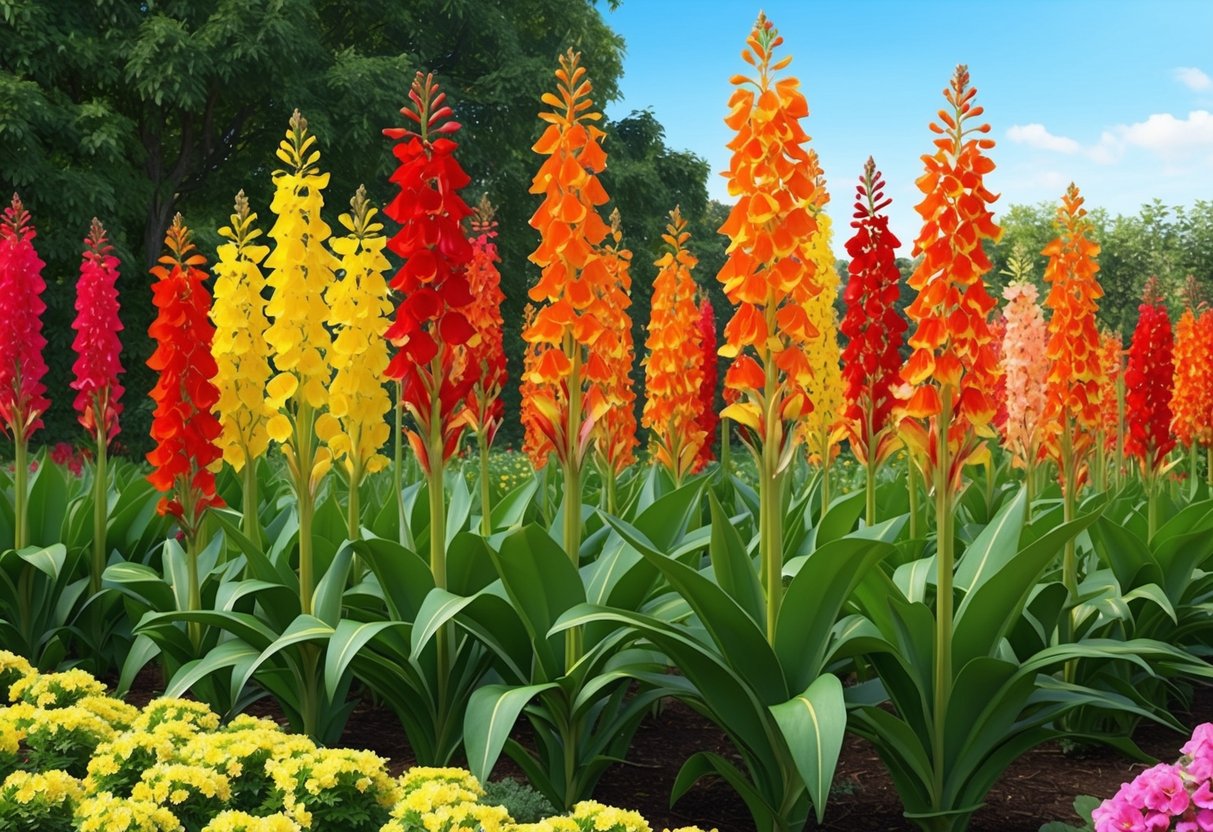
Growing cannas is like adding a splash of tropical wonder right into your backyard. I remember planting my first canna lilies and being fascinated by how fast they shot up. Each type has its own personality, much like how each one of us chooses a favorite genre of music.
Now, my garden feels like a concert, with every canna playing its own tune.
Picture this: a serene garden with cannas swaying in the breeze, some tall enough to catch passing butterflies 🐝 and others standing just a bit taller than a rabbit 🐰. Their height gives every garden a dynamic feel.
So, whether you’re planting these beauties for privacy, style, or just to stun visitors with their towering presence, there’s a perfect canna lily out there, just waiting to add some jazz to your garden ensemble.
Understanding Cannas
In this section, I explore the fascinating world of cannas. These vibrant tropical plants are both beautiful and versatile, offering a striking visual appeal. I look into the botanical details and discuss the best growing conditions for cannas to flourish.
Botanical Overview
Cannas are part of the Cannaceae family, beloved for their lush foliage and brilliant blooms. 🌸 Most folks call them “canna lilies,” though they’re not true lilies. These beauties can grow from rhizomes, which are underground stems that help them survive tough times and spread efficiently.
With heights ranging from 2 feet to a towering 10 feet, cannas certainly know how to make a statement in the garden. 🌿 Their large leaves can resemble banana leaves, creating a lush, tropical vibe. Cannas are not picky eaters—they thrive with just a bit of care and attention.
They grow in the USDA hardiness zones of 7-10. Frost can be a bummer for them, so I often dig up the rhizomes in colder months to keep them safe.
Ideal Growing Conditions
Cannas flourish best in full sun, soaking up the rays to produce stunning flowers. 🌞 They aren’t too fussy about soil but prefer a well-drained option.
I find they do exceptionally well when watered consistently, especially during dry spells.
For feeding, a balanced fertilizer does wonders. Keeping them spaced out prevents overcrowding, which promotes healthy growth and air circulation. ✂️ Regular deadheading helps them keep blooming, too.
To me, this gives them a fresh look and encourages more flowers.
Cannas like it warm and slightly humid, which makes them perfect for tropical or subtropical gardens. 🍃 Whether grown in garden beds or containers, these eye-catching plants are sure to impress.
Planting and Care
Growing canna lilies can be a rewarding experience. These vibrant plants need the right environment and a bit of care to flourish. Let me walk you through the essentials of planting and maintaining them.
Soil Preparation and Planting
First things first! Before you plant your canna lilies, you’ll want to begin with the right soil mix. Aim for well-draining soil, which prevents waterlogging. If your soil doesn’t drain well, consider adding some sand or perlite to improve conditions.
pH levels should be slightly acidic to neutral, ideally around 6.0 to 7.0. Check this with a basic soil test kit from your local nursery.
When planting, set the rhizomes about 4 inches deep. Spacing is key, too—about 2-3 feet apart to give them ample room to grow.
Watering and Fertilization
Watering cannas correctly ensures they bloom beautifully. These plants love their weekly soak. 🌱 But don’t overdo it—about 1 to 2 inches of water weekly should suffice.
I’ve found that letting them dry a bit between watering allows the roots to breathe.
Fertilization plays a crucial role. During spring, use a balanced 5-10-5 fertilizer, as it promotes a healthy growth spurt. Just make sure to stick to the guidelines on the packaging.
Pruning and Deadheading
Pruning and deadheading are essential for canna lily care. Pruning isn’t just for looks; it promotes better growth and flowering. Trim back any dead or damaged leaves.
Deadheading helps to encourage more blooms. Gently snip away spent flowers with clean pruning shears.
Remember, happy plants lead to happy gardeners! 😊 Keep your eyes on them, and don’t hesitate to adjust your care routine as the seasons change.
Propagation and Overwintering
These topics focus on increasing your canna lily collection and ensuring they survive through the colder months. With a bit of know-how, you can have a garden that thrives year after year.
Canna Propagation Techniques
Propagation can feel like playing with living puzzle pieces. I like using rhizome division because it’s straightforward and effective.
To start, I carefully dig up the entire clump of rhizomes using a garden spade. Then, I separate the rhizomes with a sharp knife or spade, ensuring each piece has at least one growing point or “eye”.
For potting, I use well-draining, nutrient-rich soil. Tip: Keep pots in a warm location.
I also find seeds an exciting challenge. To grow cannas from seeds, I sow them about half an inch deep in a tray, cover them with a light soil mix, and maintain warmth and moisture. 🌱
Overwintering Strategies
Winter survival can be like a game of hide-and-seek. When frost looms, I dig up the rhizomes with care, shaking off excess soil.
I dry them for a few days in a cool, dark place—like my garage. After drying, the rhizomes snugly fit into boxes filled with peat or sawdust, helping them stay cozy until spring. 🌷
For those grown in pots, moving them indoors is a breeze. I place the pots in a cool, dark room, cutting back on water during the dormancy period.
Be sure to occasionally check for softness or rot. Rhizomes should remain firm and healthy for a bustling spring return. 🌸
Pests, Diseases, and Companions
Canna lilies face challenges from pests and diseases, yet they can thrive with the right companions. I’ve seen these beauties welcome hummingbirds and butterflies, which makes gardening a delightful experience.
Common Pests and Problems
Canna lilies often attract a variety of pests that can be troublesome. Slugs and snails 🐌 are common culprits, leaving behind slimy trails and ragged leaves.
Canna leaf rollers 🐛 are particularly pesky, binding leaves and creating unsightly damage.
To add to the mix, Japanese beetles and caterpillars enjoy feasting on these plants.
There’s a certain satisfaction in watching for pests and squashing them in real-time. Seems like everything with a stomach wants a bite, but I’m ready with my environmental-friendly sprays.
Common diseases like canna rust and root rot can take hold if the soil stays too wet. Keeping an eye on moisture helps dodge these issues.
Companion Planting and Attracting Wildlife
Pairing canna lilies with the right plants makes a big difference. I love mixing them with marigolds 🌸 and lavender 🌱 to create a resilient environment that wards off deer and other pests.
Cannas also attract delightful visitors like hummingbirds 🐦, butterflies 🦋, and bees 🐝, all adding life to the garden.
Creating bold and colorful groupings not only helps protect the cannas but also enhances the garden’s beauty. Adding plants like salvia and yarrow brings in more beneficial insects, creating a buzzing hub of activity.
With the right companions, cannas can truly shine in any garden.