
- Holes in Garden Soil: Causes and Organic Fixes for Healthy Plants - September 2, 2026
- Azalea Lace Bug Treatment: Organic Removal for Healthy Plants - September 2, 2026
- How To Get Rid Of Aphids On Houseplants: Natural Solutions For Healthy Foliage - September 2, 2026
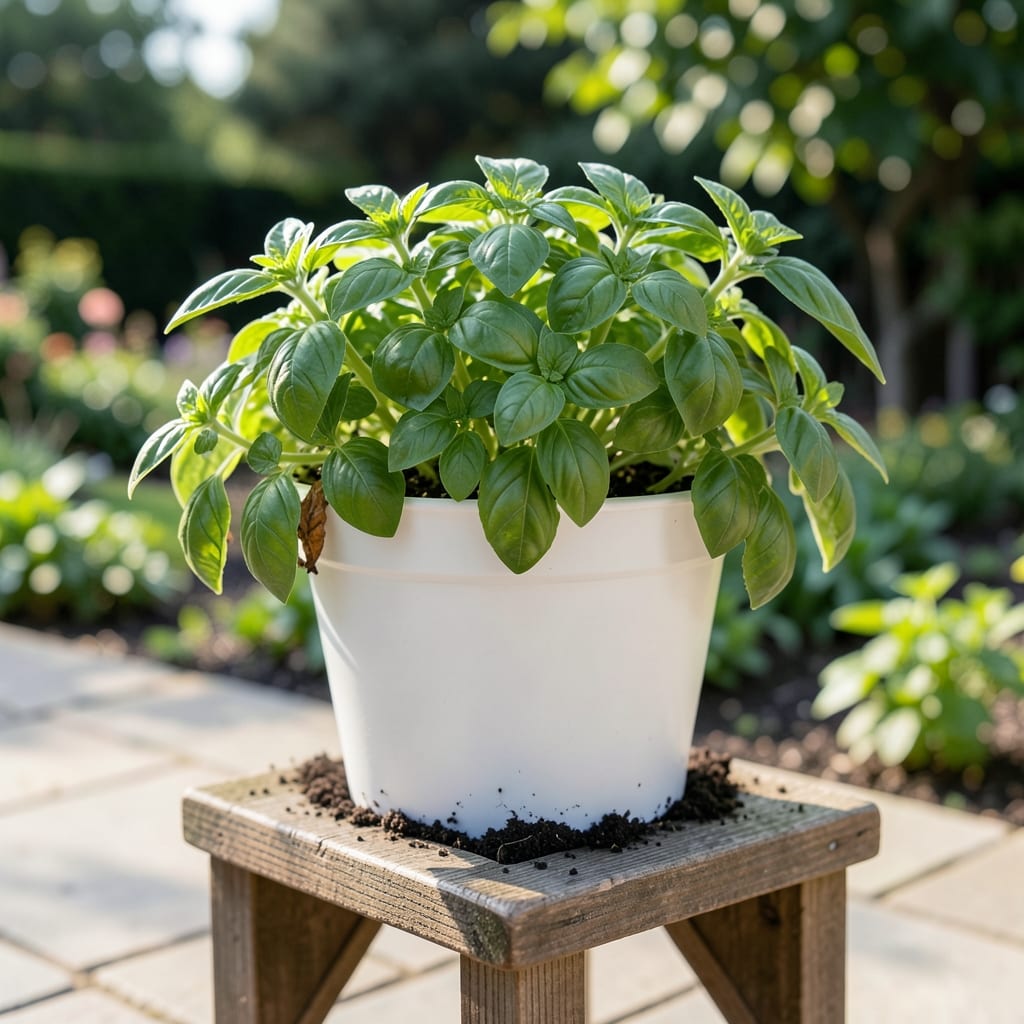
Elevated gardening changed my small patio into a thriving space. These stands turn 5-gallon buckets into mobile, waist-high planters that save your back and your floor space.
I built my first one in an afternoon with scrap wood. Now I grow tomatoes, herbs, and peppers without bending, and I can rearrange everything to chase the sun.
Why Stability Fails
When your 5-gallon bucket planter stand wobbles or tips, it’s usually due to one of these structural or environmental factors. Understanding the root causes helps you build or adjust your setup for long-term durability.
🌱 Uneven Weight Distribution
Buckets filled with soil, water, and plants can weigh 20–25 lbs each. If the stand’s legs aren’t symmetrically positioned or the base isn’t level, gravity pulls the heaviest side downward. This is especially common on DIY stands made from repurposed materials like pallets or scrap wood, where measurements may not be precise.
🪵 Weak or Improper Materials
Thin wood, flimsy plastic, or corroded metal can’t support the cumulative load. For example, pine boards under 1″ thick may sag over time, while untreated wood exposed to moisture can rot. Similarly, plastic stands not rated for outdoor UV exposure may crack under pressure.
🌧️ Soil Saturation and Drainage Issues
Overwatered plants increase the bucket’s weight by 30–50%. If your stand lacks drainage holes or the buckets sit in saucers, water pools at the bottom, creating a top-heavy load. This shifts the center of gravity, making the stand prone to tipping in wind or if bumped.
💨 Wind and External Forces
Even a light breeze can destabilize a tall, narrow stand. Buckets act like sails, catching wind and transferring lateral force to the legs. Without cross-bracing or anchored bases, the stand may sway or collapse, particularly if placed on uneven ground like gravel or slopes.
How to Fix Common Issues
Even the sturdiest 5-gallon bucket planter stands can run into trouble. Below are quick, field-tested fixes for the most common snags, plus easy ways to keep them from coming back.
🔧 Wobbly Legs or Uneven Stand
If the stand rocks or lists, check that all legs are the same length and touching the ground. Tighten loose bolts with a socket wrench, or add adjustable foot pads for leveling on uneven patios. Prevent it: Measure twice during assembly and use a carpenter’s level before final tightening.
💧 Rust on Metal Parts
Scrub off surface rust with steel wool, then coat the area with exterior-grade spray paint or a rust-inhibiting primer. For heavy corrosion, replace the affected part. Prevent it: Choose galvanized or powder-coated hardware from the start and store the stand indoors during wet winters.
🪵 Wood Splitting or Cracking
Sand rough edges and fill small cracks with waterproof wood glue; clamp overnight. For larger splits, reinforce with a metal bracket screwed across the back. Prevent it: Pre-drill all screw holes and use outdoor-rated wood like cedar or pressure-treated pine.
🪲 Pest Nesting in Hollow Legs
Seal open ends of hollow metal or PVC legs with expanding foam or silicone caulk to block ants and spiders. Prevent it: Cap legs during construction or spray a light dusting of food-grade diatomaceous earth inside before sealing.
With a little maintenance, your elevated planter stand will stay stable and attractive for seasons to come.
Frequently Asked Questions
What materials work best for building a stand?
Cedar or pressure-treated wood resists rot and lasts for years. For metal, use galvanized steel or powder-coated aluminum to prevent rust. Avoid untreated pine—it warps quickly outdoors.
How many buckets can one stand hold?
Most DIY stands support 2-4 buckets safely. Check weight limits: each filled bucket weighs 20-25 lbs. For more, add cross-bracing or use heavier materials.
Do I need drainage holes in the buckets?
Without drainage, water pools at the bottom, causing root rot and making the stand top-heavy. Drill 4-6 holes in the base of each bucket before planting.
Can I use it indoors?
Yes, but place a waterproof tray under the stand to catch drainage. Ensure good airflow to prevent mold, and use saucers to avoid floor damage.